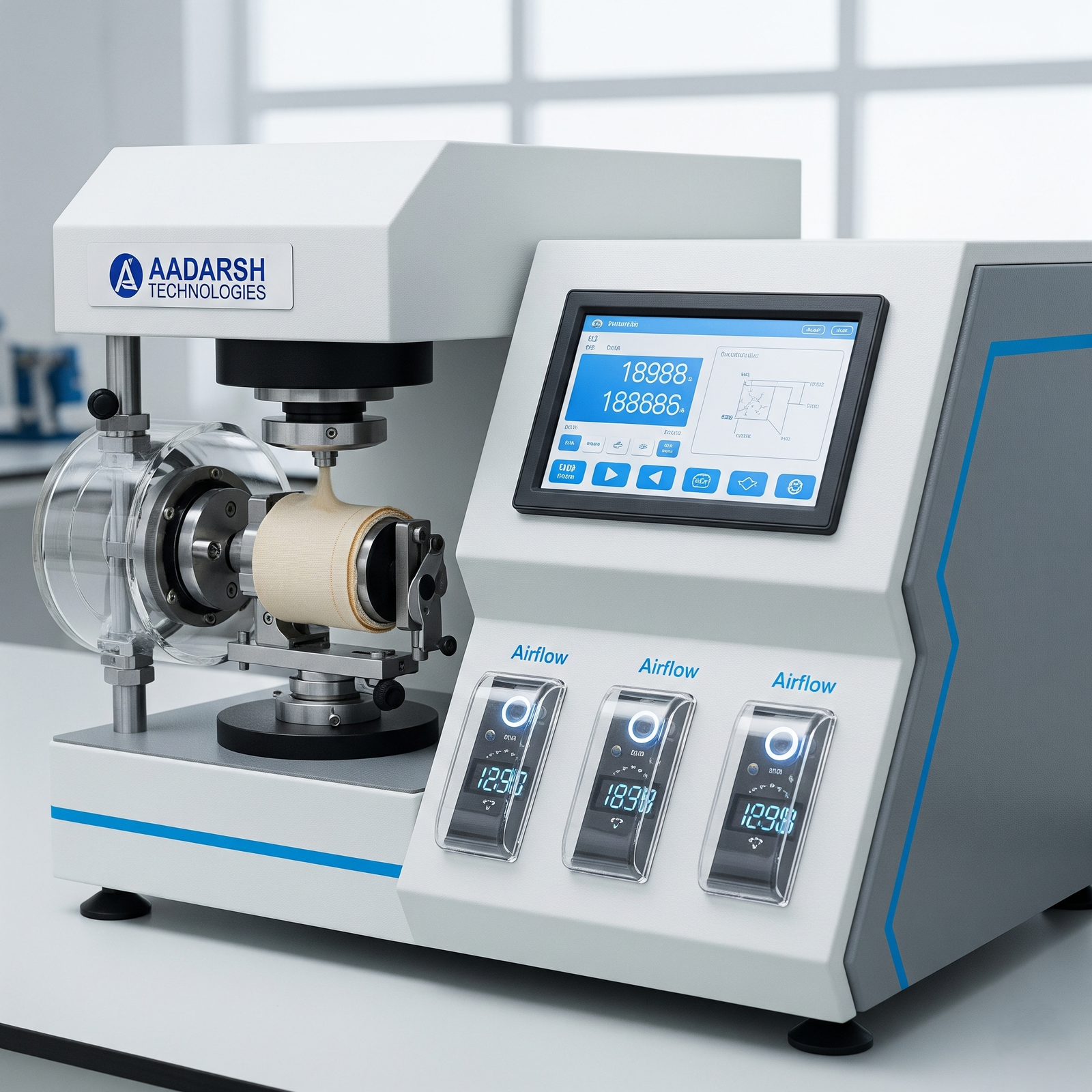
Rotational Abrasion Tester for Reliable Surface Durability Testing
A Rotational Abrasion Tester helps laboratories assess how coatings and selected materials withstand repeated abrasive contact under defined test conditions. Depending on the instrument configuration and test method, evaluation may involve abrasive wheels, controlled loads, and a specified number of cycles. The resulting measurements help compare material performance, investigate wear behaviour, and support quality-control decisions.
Adarsh Technologies provides laboratory testing instruments for paint, coatings, plastics, textiles, and related industrial applications. Abrasion testing can help identify differences in surface durability that visual inspection alone may not reveal. Results may be evaluated through mass loss, visible wear, appearance changes, or a defined test endpoint, depending on the applicable method. Consistent specimen preparation and appropriate test settings are essential for meaningful comparisons.
Laboratory Testing Solutions for Industrial Material Evaluation
Adarsh Technologies provides laboratory testing instruments for evaluating paints, coatings, plastics, textiles, and other industrial materials. A Rotational Abrasion Tester helps laboratories assess surface wear under controlled abrasive conditions, supporting comparative testing, product development, and routine quality-control activities. Selecting the appropriate instrument depends on the material being tested, the required test method, and the performance criteria being evaluated.
When choosing a Rotational Abrasion Tester Manufacturer, laboratories should review equipment specifications, load settings, abrasive wheel compatibility, cycle controls, result evaluation methods, and technical support. Clear operating instructions and suitable maintenance guidance also help maintain consistent testing practices. Matching the instrument configuration to the applicable test procedure supports reliable comparisons and informed material-performance decisions.
Understanding the Working Principle of a Rotational Abrasion Tester
A rotary-platform abrasion test evaluates surface wear by mounting a specimen on a rotating platform and applying controlled abrasive contact. In a common Taber-type setup, two abrasive wheels contact the specimen as it rotates, producing intersecting wear paths. This process helps laboratories examine the resistance of coatings and other materials to repeated mechanical abrasion under defined conditions.
Test results depend on the specimen, abrasive-wheel type, applied load, rotation speed, and number of cycles. Depending on the test method, performance may be assessed through mass loss, a wear index, or visible coating damage. When selecting a Rotational Abrasion Tester Supplier, laboratories should check equipment specifications, test-method compatibility, operating guidance, and technical support. Results are most meaningful when samples are prepared consistently and tested under comparable conditions.
Factors That Determine the Reliability of Wear Test Results
Accurate abrasion testing depends on controlling abrasive-wheel condition, applied load, rotation speed, cycle count, and specimen preparation. Variations in coating thickness, curing, surface cleanliness, or substrate type can influence wear behaviour and affect comparisons between samples. A Rotational Abrasion Tester should be operated according to the selected test method, with relevant settings documented and abrasive wheels conditioned or replaced as required.
The evaluation method also matters because mass loss, visible damage, thickness reduction, and cycles to a defined endpoint measure different aspects of abrasion performance. When choosing an Testing Equipment Supplier, laboratories should assess equipment specifications, test-method compatibility, operating guidance, and technical support. Consistent procedures and appropriate result interpretation help improve measurement reliability and support informed quality-control decisions.
Rotational Abrasion Tester for Paint, Coatings, Plastics, and Other Materials
Abrasion testing helps laboratories compare the surface durability of paints, protective coatings, plastics, polymer products, and laminated materials under controlled conditions. The test method should match the material, specimen geometry, and property being evaluated, as different surfaces may respond differently to abrasive contact. Consistent specimen preparation, suitable test settings, and clearly defined evaluation criteria help produce meaningful results for product development and quality control.
When selecting an Abrasion Testing Machine Manufacturer, laboratories should review equipment specifications, supported test methods, load settings, abrasive accessories, and technical documentation. The right equipment should suit the intended material and testing requirements rather than relying on a single method for every application. Recording test conditions and comparing samples under consistent procedures helps technical teams assess wear performance and make better-informed material selection decisions.
Step-by-Step Procedure for Accurate Abrasion Testing
A consistent testing procedure helps laboratories reduce operator-dependent variation and obtain meaningful comparisons between specimens. Before testing, define the material, wear property, applicable test method, and required endpoint.
Step 1 — Define the Testing ObjectiveIdentify the material, coating system, and wear property to be evaluated. Confirm the test method, endpoint, and acceptance criteria before beginning the procedure.
Step 2 — Prepare the SpecimensPrepare specimens according to the required dimensions and surface conditions. For coated panels, document relevant application and curing conditions to support consistent comparisons.
Step 3 — Inspect the Instrument and Abrasive WheelsCheck the platform, specimen holder, abrasive wheels, and other essential components. A suitable Rotational Abrasion Tester should be configured according to the selected method, including the specified wheel type and applied load.
Step 4 — Mount and Secure the SpecimenPosition the specimen correctly on the rotating platform and secure it according to the instrument instructions. Verify that it is properly seated before starting the test.
Step 5 — Set and Record Test ParametersConfigure the required load, rotation speed, cycle count, and endpoint settings. Record these values to help reproduce the procedure and compare results under equivalent conditions.
Step 6 — Conduct the TestOperate the instrument according to its instructions and the applicable test procedure. Watch for specimen movement, unusual noise, or irregular wear that could affect the outcome.
Step 7 — Measure and Document WearEvaluate the specimen using the measurement method specified by the test procedure. Record relevant measurements, wheel details, applied load, cycle count, and observations. A reliable Laboratory Abrasion Tester Supplier should provide clear equipment specifications and operating documentation to support appropriate testing practices.
Step 8 — Interpret the ResultsCompare the findings with the relevant product specification, reference sample, or specimens tested under equivalent conditions. Investigate unexpected variations before drawing conclusions about material performance or coating suitability.
Why Choose Adarsh Technologies for a Rotational Abrasion Tester
Selecting laboratory testing equipment requires careful consideration of test requirements, instrument specifications, and long-term usability. Adarsh Technologies serves industrial and laboratory testing needs with equipment designed for evaluating material properties and supporting quality-control activities. Clear technical information and an understanding of the intended testing application help laboratories identify equipment suited to their evaluation procedures.
A suitable equipment selection should account for the material being tested, applicable test methods, required accessories, operating instructions, and maintenance needs. Reviewing these factors before purchasing helps reduce the risk of choosing an instrument that does not match laboratory requirements. Adarsh Technologies aims to support informed equipment selection by focusing on application suitability and the practical requirements of material testing.
Conclusion on Rotational Abrasion Tester Applications
Reliable abrasion testing helps laboratories evaluate surface durability, compare material performance, and support quality-control decisions. A Rotational Abrasion Tester enables controlled assessment of wear resistance when the instrument configuration, specimen preparation, and test procedure are appropriate for the material being examined. Consistent operating conditions and accurate documentation are essential for producing meaningful, repeatable comparisons.
Selecting suitable testing equipment requires attention to applicable test methods, abrasive-wheel compatibility, load settings, and measurement requirements. Adarsh Technologies supports laboratory testing needs with equipment solutions for industrial material evaluation. Choosing an instrument that matches the intended application helps laboratories make informed decisions about coating performance, product development, and material quality.