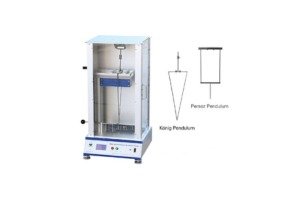
Pendulum Hardness Tester for Evaluating Paint and Coating Hardness
A Pendulum Hardness Tester is a laboratory instrument used to assess the hardness of paint films, varnishes, and other organic coatings by measuring the damping of a pendulum oscillating on the coated surface. The time or rate at which the oscillations decrease provides an indication of the coating’s resistance to deformation. This method helps laboratories examine differences in coating hardness, compare formulations, and evaluate changes associated with curing or production conditions.
Reliable results depend on consistent film preparation, substrate selection, coating thickness, environmental conditions, and the test method being followed. Paint manufacturers and quality-control teams use pendulum hardness measurements to support formulation development, batch comparison, and routine coating inspection. Interpreting the readings alongside product specifications and other relevant coating tests provides a more complete understanding of performance. A controlled testing procedure helps improve repeatability and supports informed decisions about coating quality and consistency.
Laboratory Testing Solutions for Coating Evaluation
Adarsh Technologies provides laboratory testing instruments for industrial quality control, material evaluation, and product development. A Pendulum Hardness Tester helps paint manufacturers and coating laboratories assess coating hardness by examining the damping of pendulum oscillations on a prepared surface. Consistent test conditions and proper sample preparation support meaningful comparisons between coating formulations and production batches.
When selecting a Pendulum Hardness Tester Manufacturer, laboratories should review instrument specifications, applicable test methods, calibration requirements, operating documentation, and technical support. Choosing equipment suited to the intended application helps maintain repeatable testing procedures and supports reliable coating quality assessments.
Working Principle of a Pendulum Hardness Tester
A pendulum damping test evaluates coating hardness by measuring how the oscillation of a pendulum changes while it rests on a coated test panel. Softer coatings generally damp the movement more quickly, whereas harder coatings tend to allow oscillations to continue for longer. The measured damping response helps laboratories compare paint films and assess differences in coating properties under controlled test conditions.
When choosing a Pendulum Hardness Tester Supplier, laboratories should check compatibility with the required test method, instrument specifications, calibration provisions, and technical documentation. König and Persoz pendulums have different operating characteristics, so their results should be interpreted using the appropriate method rather than compared directly. Consistent sample preparation and test conditions help produce reliable, meaningful results.
Applications in Paint and Coating Quality Assessment
A Pendulum Hardness Tester supports coating evaluation in architectural paints, automotive finishes, industrial coatings, and varnishes. Laboratories use pendulum damping measurements to compare coating hardness under controlled conditions and examine differences caused by formulation, film preparation, or curing. These results can support product development and routine quality checks, although additional tests are necessary when assessing properties such as impact resistance, scratch resistance, or long-term durability.
When selecting a Pendulum Hardness Testing Equipment Manufacturer, laboratories should consider instrument specifications, compatibility with the required test method, calibration provisions, and technical documentation. Consistent sample preparation and conditioning help make comparisons between formulations and production batches more meaningful. Evaluating readings against defined product requirements supports informed quality-control decisions and helps identify unexpected variations in coating performance.
Step-by-Step Procedure for Using a Pendulum Hardness Tester
A documented testing procedure helps laboratories maintain consistent conditions and obtain meaningful comparisons between coating samples. The following steps support reliable pendulum hardness evaluation.
Step 1 — Select the Test MethodIdentify the applicable standard and determine whether a König or Persoz pendulum is required. Confirm that the instrument and accessories match the selected procedure.
Step 2 — Prepare the Coated PanelApply the coating to a suitable rigid substrate using the specified preparation method. Allow the film to dry or cure under controlled conditions and record the relevant details.
Step 3 — Inspect the InstrumentCheck the pendulum, contact points, support, and measuring system before testing. Ensure the equipment is clean, correctly assembled, and ready for use.
Step 4 — Position the SpecimenPlace the panel on a stable surface and position it according to the test method. Ensure the pendulum contacts the intended coated area correctly.
Step 5 — Conduct the MeasurementSet the pendulum in motion and measure its damping time according to the instrument instructions. Maintain consistent test conditions when comparing samples.
Step 6 — Record and Evaluate ResultsDocument the measured values, pendulum type, specimen details, and test conditions. A Paint Hardness Tester Manufacturer should provide clear operating documentation to support correct instrument use and consistent testing practices. Compare results with the relevant specification and investigate unexpected variations.
Conclusion on Pendulum Hardness Tester Applications
A Pendulum Hardness Tester is an important instrument for evaluating the hardness of paint films, varnishes, and other protective coatings under controlled laboratory conditions. Consistent sample preparation, suitable test methods, and accurate measurement procedures help laboratories compare coating performance and identify variations in hardness. These practices support reliable quality control and informed decisions during product development and production inspection.
Selecting a suitable instrument requires attention to test method compatibility, measurement requirements, calibration, and technical documentation. A reliable Coating Hardness Tester Supplier can help users understand equipment specifications and select a solution suited to their testing needs. Following established procedures and interpreting results against relevant product requirements helps maintain consistency and supports effective coating quality assessment.